How to choose a calorie target without cutting too far
A calorie calculator can produce a useful first estimate, but it cannot measure your exact metabolism or routine. The safer process is to begin conservatively, collect consistent data, and adjust only after a genuine trend appears. Compare estimates made under similar conditions and use weekly trends; a single number cannot separate water, muscle and fat changes.
Estimate maintenance before creating a deficit
Maintenance calories are the approximate amount needed to keep body weight stable. An online calculator can estimate this from age, height, weight, sex, and activity, but activity categories are subjective and the result may be off by several hundred calories.
If your weight has been stable, a one- or two-week record of normal food intake can provide another reference point. Logging accuracy matters: cooking oil, beverages, restaurant meals, and weekend portions are common sources of undercounting.
- Record food without intentionally changing your usual routine.
- Use package serving weights or a kitchen scale when practical.
- Include drinks, condiments, cooking fats, and small snacks.
- Treat both calculators and food logs as estimates.
Choose the smallest deficit that produces progress
A moderate reduction is easier to maintain and leaves more room for protein, fiber, and micronutrients. Larger deficits may accelerate short-term scale changes, but they also increase hunger, fatigue, and the likelihood of regaining weight after the diet ends.
Your target should still support work, sleep, exercise, and social eating. If normal daily functioning deteriorates, increasing intake and seeking individualized advice is more appropriate than trying to force adherence.
- Begin with a modest change rather than the lowest number you can tolerate.
- Keep meal timing and food choices reasonably consistent during the test period.
- Avoid automatically eating back every calorie shown by a fitness tracker.
- Reassess after several weeks of comparable data.
Why exact calorie-burn numbers are elusive
Exercise devices estimate rather than directly measure calorie burn. Body size, movement efficiency, heart-rate accuracy, temperature, and the activity itself can all affect the result, so exercise calories should not be treated like a precise food allowance. Compare estimates made under similar conditions and use weekly trends; a single number cannot separate water, muscle and fat changes.
Recommended Products
Use trends to decide whether to adjust
If the average weight trend is moving gradually in the intended direction and hunger is manageable, there may be no reason to change the plan. If the trend is flat, first check tracking consistency, sodium-related water shifts, menstrual-cycle timing, constipation, and changes in activity.
When an adjustment is warranted, make it small. Reducing portions slightly or adding repeatable activity makes it easier to identify what worked than changing calories, exercise, meal timing, and supplements simultaneously.
- Maintain the same target long enough to observe more than normal water fluctuation.
- Compare average intake across weekdays and weekends.
- Use waist measurements or clothing fit as secondary indicators.
- Recalculate after substantial weight loss because energy needs can change.
Respond to a plateau methodically
A plateau is not evidence that metabolism has stopped. A smaller body generally uses less energy, and people may also move less unconsciously while dieting. Tracking drift and larger portions can contribute as routines become familiar.
Before cutting food further, restore accurate portions for a week, protect sleep, and examine step count or other ordinary movement. A planned maintenance phase may be useful when diet fatigue is high, although it is not a shortcut that guarantees faster later loss.
- Repeat-measure frequently eaten calorie-dense foods.
- Preserve resistance training rather than adding endless cardio.
- Increase low-intensity daily movement if feasible.
- Seek expert help when intake is already highly restricted.
Stop and get medical advice when symptoms appear
Persistent dizziness, fainting, heart palpitations, severe weakness, missed menstrual periods, recurrent vomiting, or signs of disordered eating warrant prompt professional evaluation. Rapid unexplained weight change also should not be managed as a routine dieting problem.
Supplements for Low Calorie Diet

LivPure
LivPure brings together silymarin, berberine, betaine and choline in a formula aimed at liver wellness, energy metabolism and cellular antioxidant defense. Silymarin and glutathione contribute antioxidant support, while betaine and choline are involved in normal liver fat processing. For people assessing low calorie diet, silymarin and betaine provide liver-focused nutritional support while food intake and body measurements are tracked separately.

Ikaria Juice
Ikaria Juice combines green-tea polyphenols, citrus pectin, turmeric, dandelion and milk thistle with inulin and a multi-strain probiotic blend. Its digestive blend supports beneficial gut organisms and regularity, alongside antioxidant-rich extracts from berries and green tea. While monitoring low calorie diet, inulin and beneficial bacteria can help maintain digestive regularity as portions and fiber intake change.
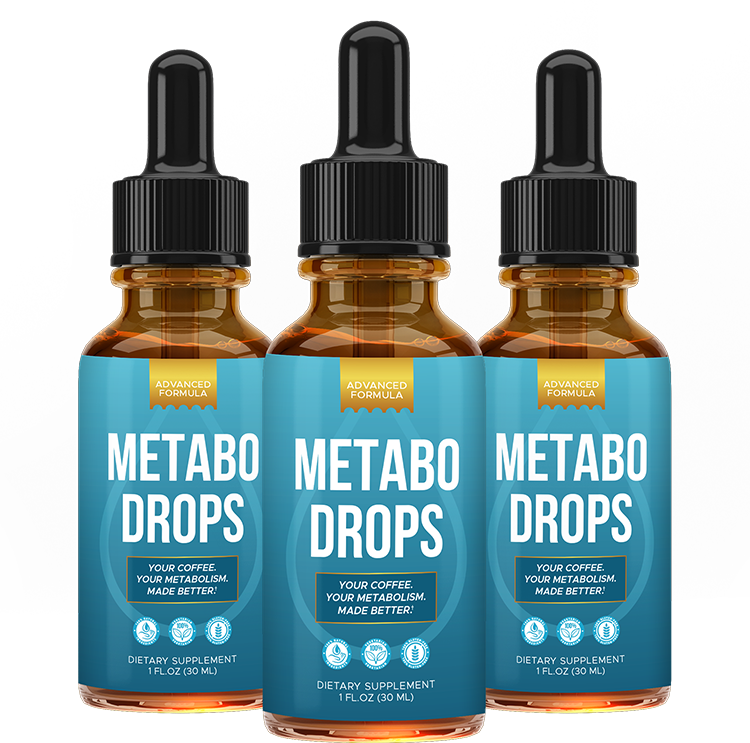
Metabo Drops
Metabo Drops adds chlorogenic acid, green-tea extract, chromium, L-carnitine and L-theanine to coffee in an easy-to-mix liquid. The coffee-mix approach aims to support metabolic efficiency and steady daytime energy, with L-theanine helping balance alertness. For readers calculating or tracking low calorie diet, chromium and coffee-derived polyphenols offer a metabolism-oriented ingredient profile, not a change to the calculation.

Java Burn
Java Burn mixes into hot or iced coffee and contains green-tea extract, green-coffee chlorogenic acids, L-carnitine, L-theanine, chromium and B vitamins. Chromium and B vitamins contribute to normal nutrient and energy metabolism; the green-tea and green-coffee extracts add polyphenols. For readers calculating or tracking low calorie diet, chromium and coffee-derived polyphenols offer a metabolism-oriented ingredient profile, not a change to the calculation.

HepatoBurn
HepatoBurn brings silymarin, glutathione, berberine and choline into a multi-ingredient formula for liver-related metabolic and antioxidant support. Milk thistle and glutathione focus on liver antioxidant health, with berberine and choline adding a nutrient-metabolism component. For people assessing low calorie diet, silymarin and betaine provide liver-focused nutritional support while food intake and body measurements are tracked separately.

AquaBurn
AquaBurn combines green-tea catechins, resveratrol, fucoxanthin from seaweed, quercetin, ginger, ginseng and turmeric. Fucoxanthin and green tea give AquaBurn a metabolism-focused botanical profile, complemented by ginger, ginseng and plant polyphenols. As low calorie diet is monitored, its plant antioxidants and vitality-oriented herbs offer daily wellness support alongside regular movement.

Flat Belly Shake
The Flat Belly Shake drink offers a measured powder serving rather than capsules, making it an option for people organizing daily meal portions. Its measured drink format is useful for setting a consistent portion, especially when breakfast is routinely skipped or replaced with unplanned snacks. When working with low calorie diet, a measured serving can make portion planning easier once the shake’s calories and protein are checked.

Nagano Tonic
Nagano Tonic is a powdered drink mix made with botanicals and nutrients including camu camu, green-tea EGCG, mangosteen, ginger and inulin. Its formula is promoted for daily metabolic, energy and digestive support; it is not a substitute for balanced nutrition or medical care. When comparing options alongside low calorie diet, review the ingredient label and seller terms before ordering.
Frequently Asked Questions
Not automatically. Wearable estimates have meaningful error. If performance, recovery, or hunger suffers, adjust food based on repeated real-world results rather than matching the device calorie for calorie.
Short-term increases commonly reflect water, sodium, stored carbohydrate, food in the digestive tract, or hormonal changes. A sustained trend matters more than an isolated reading.
A multivitamin does not supply adequate protein, essential fats, fiber, or energy and does not make severe restriction safe. Very-low-calorie plans require medical supervision. Compare weekly trends under similar conditions rather than changing a plan after one day.