A practical low-calorie diet that protects nutrition and fits real life
A low-calorie diet should create a manageable energy deficit without turning every meal into a test of willpower. This guide explains how to choose a realistic target, preserve protein and fiber, and judge progress by trends rather than daily scale changes. Measurement tools describe one part of risk, while medical history, blood pressure, laboratory results and habits supply the rest.
Understanding a low-calorie diet in practice
A low-calorie diet provides fewer calories than your body uses over time. It is not one fixed menu or universal calorie number: needs differ with body size, age, sex, activity, health conditions, and weight goals.
The most sustainable approach usually begins with a modest reduction from current intake. Very-low-calorie diets are a different category and should be undertaken only with medical supervision because they can create nutrient deficiencies and other complications.
- Use a calorie estimate as a starting point, not a permanent prescription.
- Keep regular meals if skipping them leads to intense hunger later.
- Prioritize foods that provide protein, fiber, vitamins, and minerals for their calories.
- Assess progress over several weeks instead of reacting to one weigh-in.
Calories matter, but food composition changes the experience
Two meals with similar calories can differ greatly in fullness. A meal containing lean protein, vegetables, fruit, whole grains, or legumes will generally be more satisfying than the same calories from a sweet drink or highly refined snack.
Build meals around a simple hierarchy
Start with a meaningful protein source, add high-volume produce, and then include a measured portion of starch or fat. This order makes it easier to control calories without shrinking the meal to an unsatisfying size.
Cooking methods also matter. Baking, grilling, steaming, air-frying, and using measured oil can lower calories while preserving familiar flavors.
- Protein: fish, poultry, eggs, Greek yogurt, cottage cheese, tofu, tempeh, beans, or lentils.
- Volume and fiber: vegetables, whole fruit, broth-based soups, and minimally processed grains.
- Flavor: herbs, spices, citrus, vinegar, salsa, mustard, and modest portions of sauces.
- Calorie-dense extras: measure oils, cheese, nuts, dressings, creamers, and spreads.
Do not spend all your calories on foods that leave you hungry
Liquid calories, grazing, and unmeasured condiments can consume a large share of the daily budget. You do not need to eliminate them, but portions should be deliberate when hunger control is a priority. Compare estimates made under similar conditions and use weekly trends; a single number cannot separate water, muscle and fat changes.
Supplements for Low Calorie Diet

LivPure
LivPure combines milk-thistle silymarin, betaine, berberine and glutathione with green-tea compounds to support normal liver function and fat metabolism. Choline and betaine support normal lipid metabolism, giving LivPure a liver-centered approach to weight-management wellness. For people assessing low calorie diet, silymarin and betaine provide liver-focused nutritional support while food intake and body measurements are tracked separately.

Ikaria Juice
Ikaria Juice combines green-tea polyphenols, citrus pectin, turmeric, dandelion and milk thistle with inulin and a multi-strain probiotic blend. The combination of probiotic cultures, prebiotic fiber and botanical polyphenols targets gut comfort and everyday metabolic health. While monitoring low calorie diet, inulin and beneficial bacteria can help maintain digestive regularity as portions and fiber intake change.
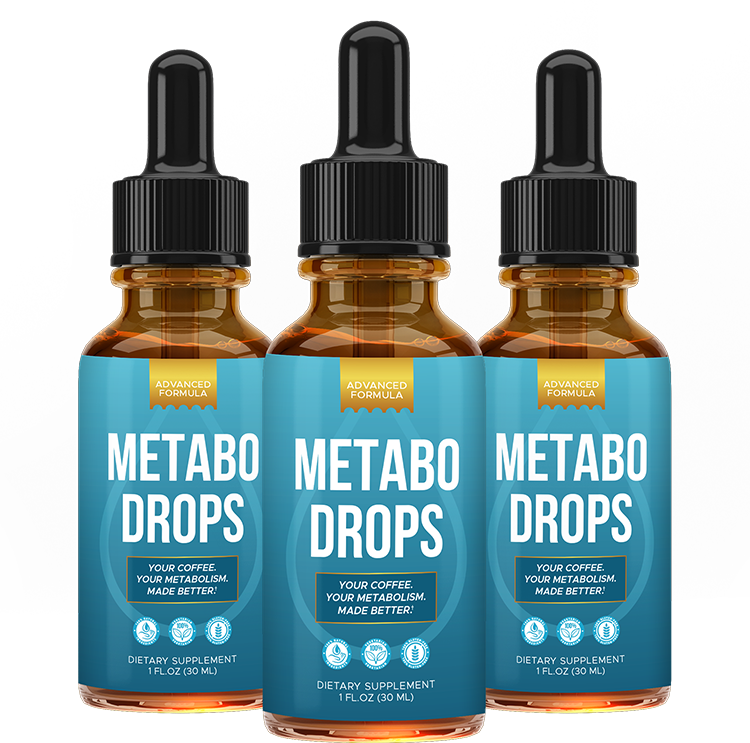
Metabo Drops
Metabo Drops concentrates on metabolic wellness and steady daytime energy, using chlorogenic acid, green tea, chromium and L-carnitine in a tasteless coffee additive. The coffee-mix approach aims to support metabolic efficiency and steady daytime energy, with L-theanine helping balance alertness. For readers calculating or tracking low calorie diet, chromium and coffee-derived polyphenols offer a metabolism-oriented ingredient profile, not a change to the calculation.

Java Burn
The Java Burn coffee formula brings together green tea, green coffee bean extract, chromium, L-carnitine and L-theanine to support everyday metabolic function and alertness. The formula pairs a coffee-friendly metabolic blend with L-theanine for focus and B vitamins for normal energy-yielding metabolism. For readers calculating or tracking low calorie diet, chromium and coffee-derived polyphenols offer a metabolism-oriented ingredient profile, not a change to the calculation.

HepatoBurn
HepatoBurn centers on liver wellness and normal fat processing, with silymarin, choline, betaine, berberine and green-tea polyphenols. Milk thistle and glutathione focus on liver antioxidant health, with berberine and choline adding a nutrient-metabolism component. For people assessing low calorie diet, silymarin and betaine provide liver-focused nutritional support while food intake and body measurements are tracked separately.

AquaBurn
AquaBurn combines green-tea catechins, resveratrol, fucoxanthin from seaweed, quercetin, ginger, ginseng and turmeric. Fucoxanthin and green tea give AquaBurn a metabolism-focused botanical profile, complemented by ginger, ginseng and plant polyphenols. As low calorie diet is monitored, its plant antioxidants and vitality-oriented herbs offer daily wellness support alongside regular movement.

Flat Belly Shake
Flat Belly Shake is a powdered drink intended for a convenient, portion-conscious breakfast or snack routine. The main practical benefit is convenience and portion planning; it should be evaluated as food by checking the full nutrition panel. When working with low calorie diet, a measured serving can make portion planning easier once the shake’s calories and protein are checked.

Nagano Tonic
Nagano Tonic is a powdered drink mix made with botanicals and nutrients including camu camu, green-tea EGCG, mangosteen, ginger and inulin. Its formula is promoted for daily metabolic, energy and digestive support; it is not a substitute for balanced nutrition or medical care. When comparing options alongside low calorie diet, review the ingredient label and seller terms before ordering.
Measure results without letting the scale run the plan
Body weight can move temporarily because of hydration, sodium, carbohydrate intake, digestion, and the menstrual cycle. Weighing under similar conditions and comparing weekly averages reveals more than a single number.
Waist measurements, energy, strength, hunger, and adherence are also useful signals. If the plan produces constant fatigue, dizziness, obsessive food thoughts, or repeated overeating, the deficit may be too aggressive.
- Use the same scale at roughly the same time of day.
- Compare multiweek trends rather than consecutive mornings.
- Change one variable at a time when adjusting the plan.
- Keep resistance training and adequate protein in the picture to support lean mass.
Where keto diets and diet pills fit
A keto diet limits carbohydrates enough to promote ketosis, but weight loss still depends substantially on energy intake. Some people find the food rules simplify decisions; others struggle with restriction, fiber intake, cost, or long-term adherence.
Diet pills, powders, drops, and so-called calorie burners cannot establish effectiveness through marketing language alone. Product format, a complete ingredient list, ingredient amounts, stimulant content, contraindications, and credible human evidence are more useful than claims about detoxification or effortless fat burning.
- Do not combine multiple stimulant-containing products without medical or pharmacy guidance.
- Check for interactions if you take medication for diabetes, blood pressure, mood, or blood clotting.
- Treat proprietary blends and missing ingredient amounts as limitations.
- Avoid products promising rapid, effortless, or precisely targeted fat loss.
When professional guidance is important
Consult a clinician or registered dietitian before intentional calorie restriction if you are pregnant or breastfeeding, under 18, have a history of an eating disorder, take glucose-lowering medication, or have kidney, liver, gallbladder, or other significant medical conditions.
Frequently Asked Questions
There is no safe universal rate. A moderate, sustainable trend is generally preferable to rapid loss, and individual targets should reflect starting weight, health, medication use, and clinical guidance.
No. Some people benefit from temporary tracking to learn portions, while others use repeatable meals, plate proportions, or portion guides. The best method is one that creates a measurable deficit without causing excessive stress. Compare weekly trends under similar conditions rather than changing a plan after one day.
Exercise supports health and raises energy expenditure, but calorie-burn estimates from machines and watches can be inaccurate. It is usually easier to pair regular activity with a modest dietary adjustment than to rely on exercise alone.